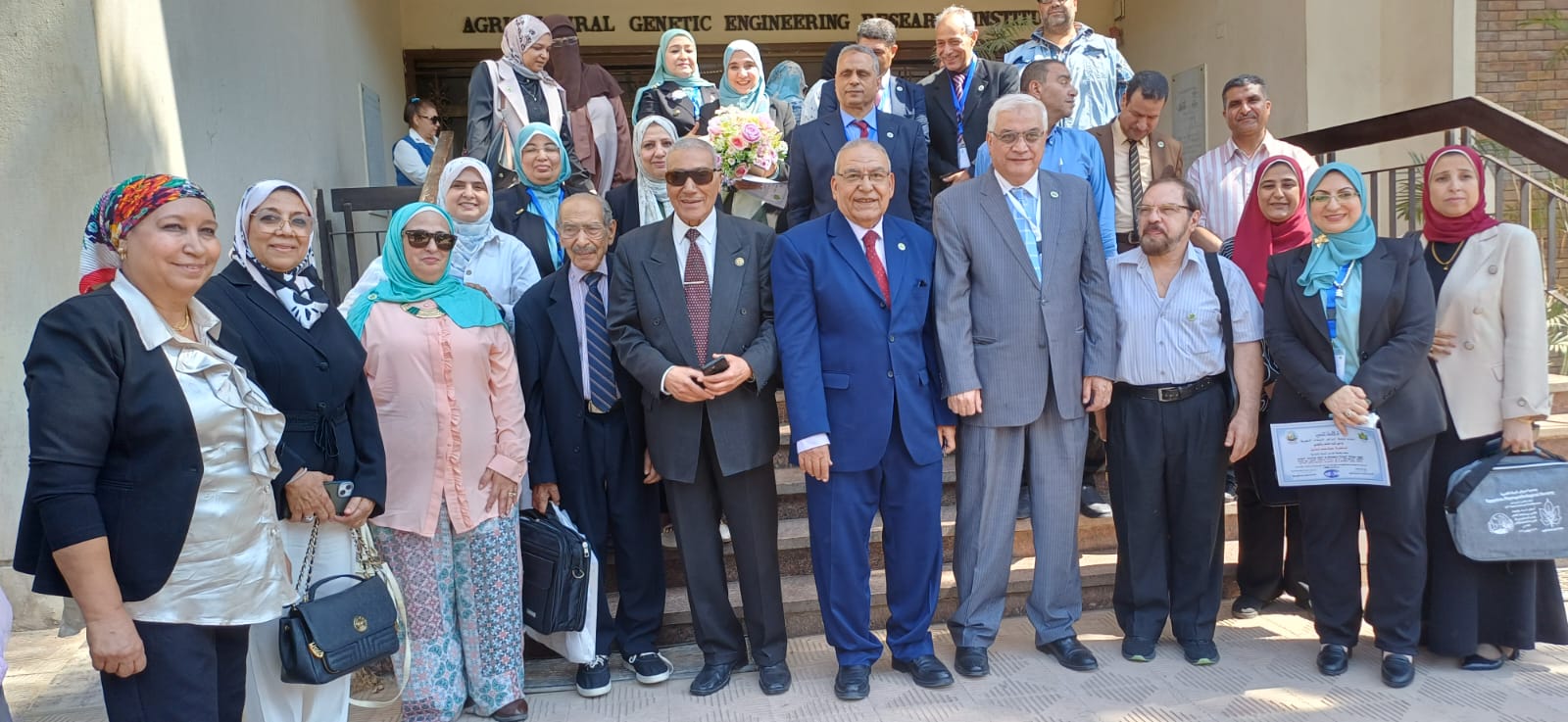
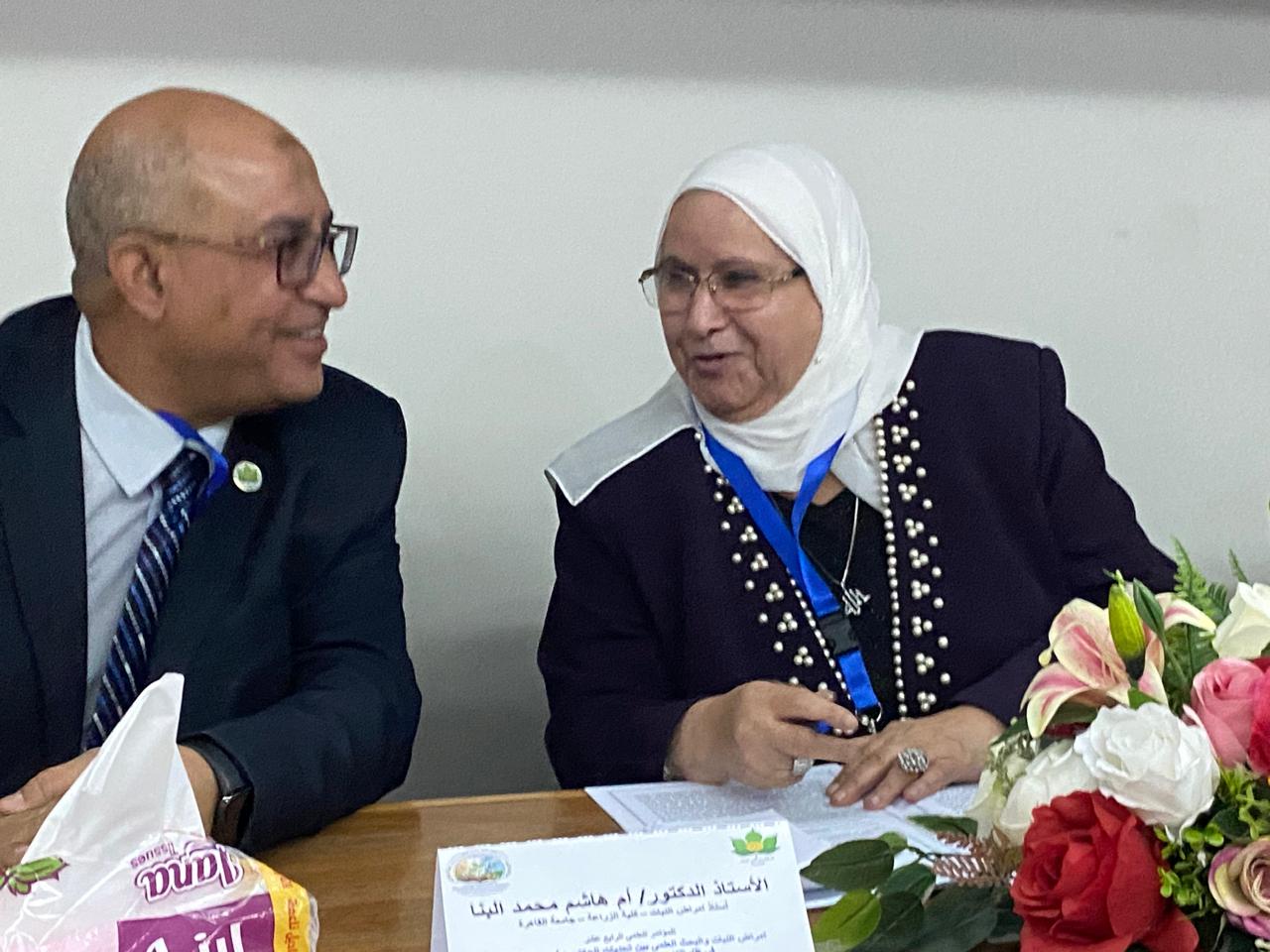

International Conference
Food security is no longer just about increasing crop production; it relies heavily on the resilience of agricultural systems against climate change, emerging cross-border plant diseases, geopolitical instability, and supply chain disruptions. Because climate change accelerates pathogen spread and trade/geopolitical bottlenecks jeopardize agricultural inputs (such as fertilizers, energy, and seeds), plant health has become a critical pillar of national food and economic security. Meeting these challenges requires shifting from reactive “disease management” to proactive, data-driven “risk management” integrating advanced diagnostics, digital technologies, AI, localization of agricultural inputs, and interdisciplinary collaboration.
Accordingly, the conference emphasizes that addressing future challenges to plant health and food security requires a shift from a “disease management” approach to a “risk management” approach, from a “response” approach to a “proactive” one, and from fragmented institutional efforts to integrated, multidisciplinary action.

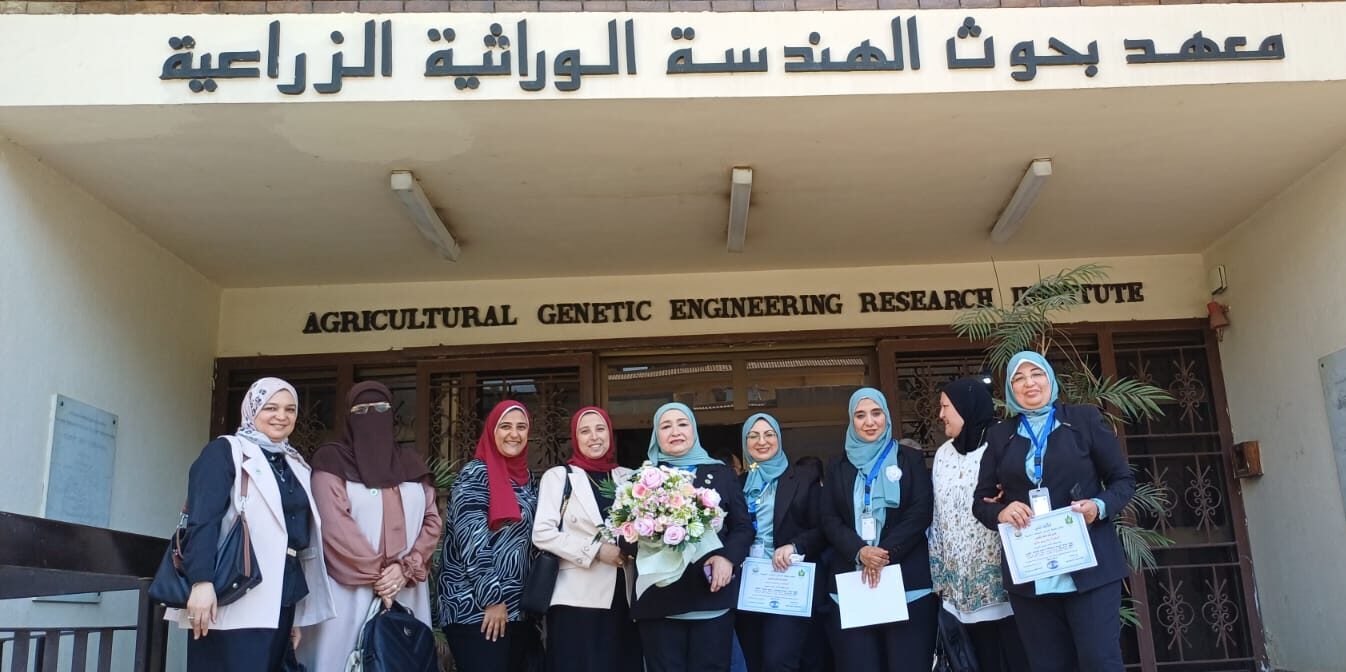
Main Recommendations
- Research & Innovation: Boost national/regional funding for applied plant pathology, climate resilience, and biotechnology. Leverage AI, machine learning, metagenomics, and remote sensing to build early warning, diagnostic, and epidemiological prediction systems.
- Lab – to – Field Translation: Accelerate the commercialization of scientific research through flexible regulatory frameworks, university-industry partnerships, and agricultural business incubators.
Integrated Management & Biocontrol: Expand Integrated Pest Management (IPM) to reduce chemical pesticide dependency, and invest in safe biological control agents, biostimulants, and natural/nano-alternatives. - Breeding & Crop Resilience: Accelerate the development of climate-resilient and disease-resistant crop varieties through gene pyramiding, genomic tools, and marker-assisted selection.
- Biosafety & Early Warning: Establish robust regional/international monitoring networks, modernize quarantine diagnostic labs, and implement swift risk assessment protocols for emerging pathogens.
- Digital Extension Services: Deploy accessible digital platforms, mobile apps, and training programs to equip smallholder farmers with real-time AI diagnostics and disease alerts.
- Localization & Strategic Reserves: Localize the manufacturing of vital agricultural inputs (fertilizers, biopesticides, diagnostics) and maintain strategic reserves to cushion against global supply chain shocks.
- Geopolitical & Supply Chain Resilience: Establish emergency contingency plans and risk-monitoring models to mitigate international shipping, energy, and trade choke points (such as navigation disruptions in key maritime corridors like the Strait of Hormuz).
- Integrated National System: Establish a unified National Plant Health System that seamlessly bridges scientific research, quarantine, field monitoring, digital extension, and policy-making to ensure proactive risk management and long-term agricultural resilience.
Finally, it is necessary to establish an integrated National Plant Health System that links scientific research, diagnosis, agricultural quarantine, field monitoring, early warning, climate data, agricultural extension, and the private sector, allowing for a shift from responding to diseases after they appear to prevention, prediction, and proactive risk management.