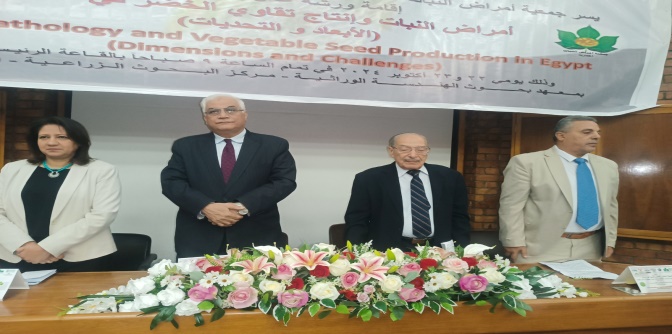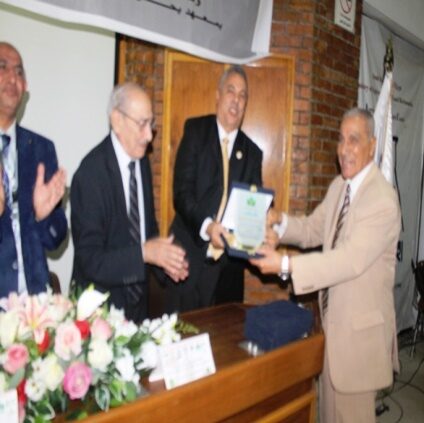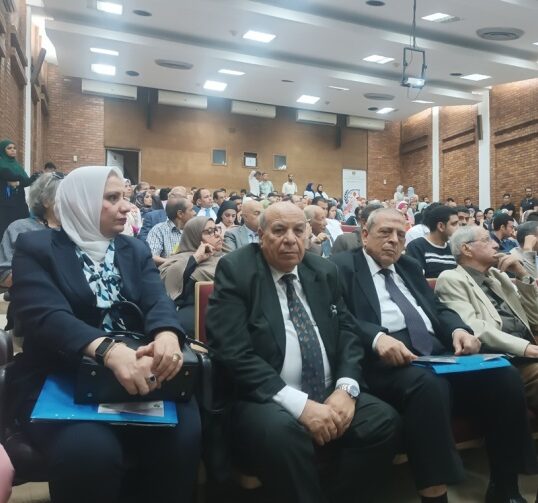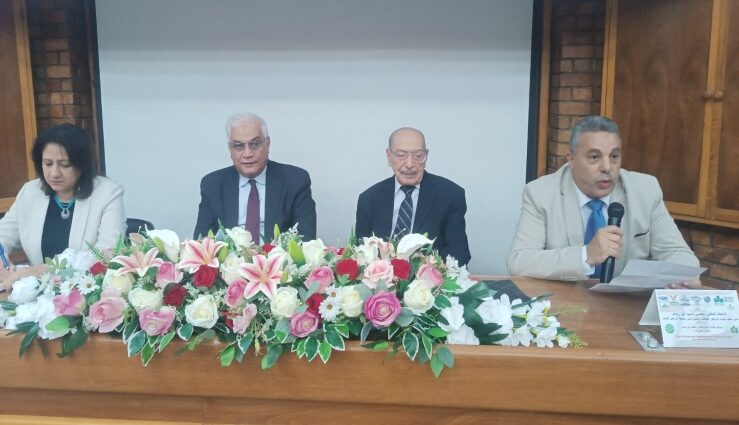
PLANT PATHOLOGY AND VEGETABLE SEED PRODUCTION IN EGYPT (DIMENSIONS AND CHALLENGES)
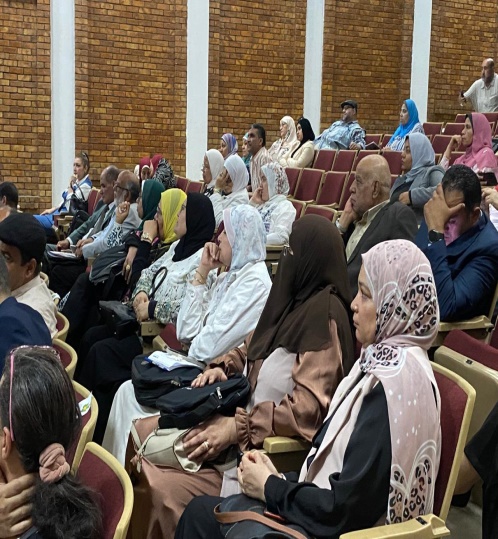
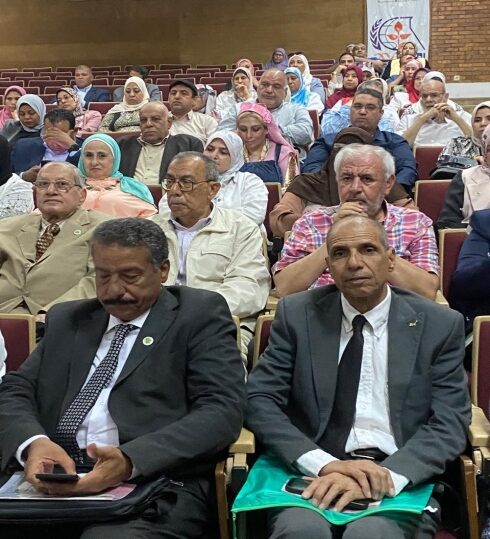
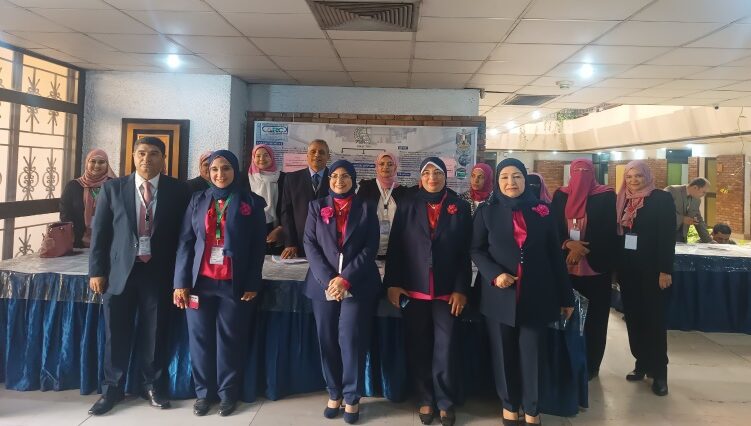
on the Egyptian Phytopathological Society’s ongoing contributions to advancing national agriculture in general and plant pathology in particular, this workshop addressed a paramount contemporary challenge: vegetable seed production.It is well recognized that the nation incurs a substantial foreign currency burden to import various vegetable seeds, sourcing over 96% of its seed supply from abroad at an annual cost exceeding $1.2 billion. In a global landscape marked by escalating crises and geopolitical conflicts—where food security has increasingly become a point of global leverage—tackling this reliance is crucial. To formulate actionable solutions, the workshop brought together key stakeholders across the sector, including academic researchers, seed producers, distributors, and regulatory authorities, represented by the Central Administration for Seed Production, Testing, and Certification.
Key Themes
- The workshop presented seven working papers structured around four core themes:
- Breeding and Propagation: Advances in vegetable seed breeding and multiplication techniques.
- Disease Management: Production of disease-resistant and pathogen-free vegetable seeds, with a primary focus on viral pathogens.
- Regulatory Frameworks: Legislation, policies, and regulations governing variety registration and official evaluation.
- Industry Challenges: Key operational hurdles facing seed production companies and proposed strategic solutions.
Recommendations
The workshop concluded with the following strategic:
- Local Variety Enhancement: Purify, rehabilitate, and improve local vegetable seed varieties.
- Intellectual Property & Breeder Rights: Protect proprietary varieties and parent lines while strictly enforcing intellectual property laws and breeder rights.
- Standardized Certification: Streamline field inspections and seed testing to expedite the issuance of inspection certificates aligned with international crop standards.
- Market Regulation & Biosecurity: Strengthen oversight of seed production and distribution channels to curb smuggled varieties that risk introducing alien pests and diseases into Egypt.
- Nursery Licensing: Mandate that seedling propagation occurs exclusively in licensed nurseries backed by official certification confirming phytosanitary status.
- Traceability: Implement a comprehensive seed tracking system enabling farmers and distributors to trace seed provenance.
- National Breeding Program: Launch a national initiative focused on breeding high-yielding, pest- and disease-resistant vegetable varieties and hybrids.
- Public-Private Partnerships (PPP): Encourage private sector collaboration with national research institutes to develop climate-resilient and disease-resistant local varieties.
- National Seed Enterprise: Establish a well-capitalized national company dedicated to large-scale vegetable seed production.
- Foreign Direct Investment: Attract international seed companies to establish production hubs in Egypt for both domestic consumption and export.
- Commercialization & Marketing: Form a specialized, highly capable marketing entity to promote and distribute locally produced seeds efficiently.